How Does ICBC Determine Who is at Fault
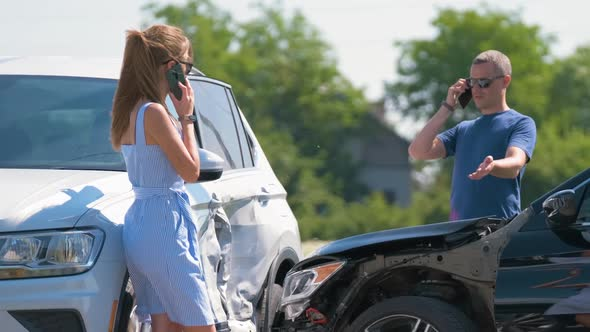
ICBC determines fault (or “responsibility”) by reviewing the rules of the road under the B.C. Motor Vehicle Act, vehicle damage reports, witness statements, and past court decisions. They assign responsibility on a percentage basis (e.g., 0%, 50%, or 100% at-fault), which directly impacts your future insurance premiums.
Key Factors Evaluated
ICBC claims representatives build a complete picture of the incident using the following sources:
- The Rules of the Road: Adherence to the B.C. Motor Vehicle Act (e.g., yielding the right-of-way, stopping at red lights).
- Physical Evidence: Damage to the vehicles and the specific location of the impact points.
- Statements: Your version of events, statements from the other driver(s), passengers, and pedestrians.
- Police & Witness Reports: Any official police accident reports and independent witness accounts.
- Legal Precedent: How courts have historically ruled in similar accident scenarios.
Common Crash Scenarios
ICBC uses pre-established liability rules for common collisions. For example: ,
- Rear-end collisions: The trailing driver is almost always found 100% responsible for failing to leave a safe stopping distance.
- Left turns: A driver turning left across traffic is typically 100% responsible for yielding to oncoming traffic.
- Parking lots: Responsibility can be shared (e.g., 50/50) if both vehicles were reversing or exiting stalls at the same time.
Shared or Undetermined Fault
If evidence is entirely inconclusive—such as conflicting statements, no independent witnesses, and ambiguous vehicle damage—ICBC may determine that responsibility is split 50/50.
1. The “No-Fault” Part (Enhanced Care)
Under the Enhanced Care model, fault does not impact your eligibility to receive medical care, wage loss compensation, and rehabilitation benefits.
- All injured British Columbians are eligible for benefits regardless of who caused the crash.
- Because your own insurance pays for your recovery, you generally cannot sue other drivers for pain and suffering.
2. Why Fault Still Matters
Even though fault doesn’t stop you from getting medical help, ICBC investigates every crash to assign responsibility (liability). This still matters because:
- Driver Premiums: Drivers found responsible for a crash will face higher insurance premiums, penalties, and fines.
- Vehicle Repairs: Who is at fault dictates whose Collision Coverage pays to fix the vehicles involved.
- Lawsuits: There are a few rare exceptions where lawsuits are still permitted, such as in cases of criminal conviction (like impaired driving).